
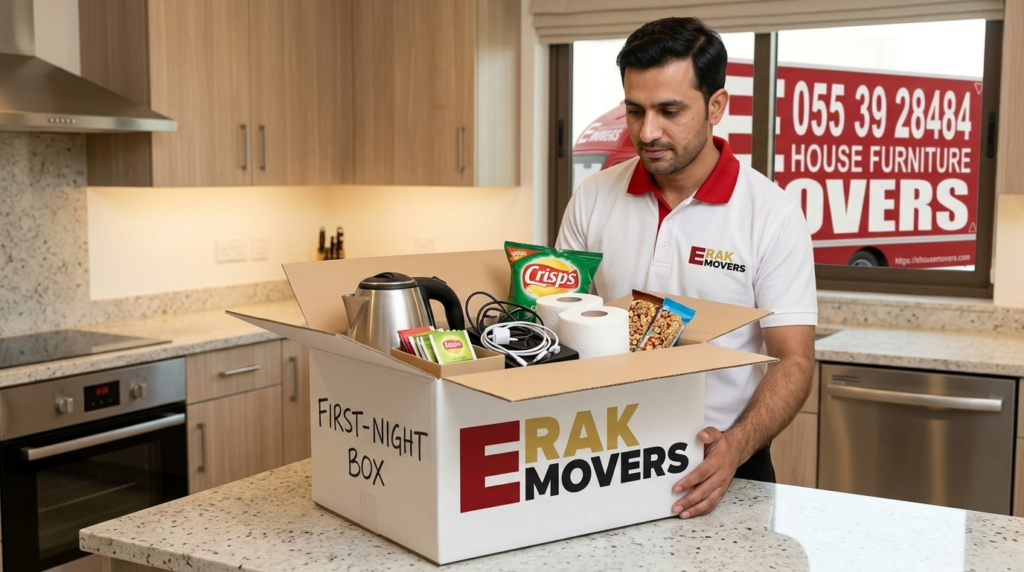
Your furniture can arrive safely while your first evening still goes wrong. The house keys are inside a carton. Your phone charger is somewhere in the kitchen boxes. Your tenancy documents have already left in the truck.
Setting aside a few personal items prevents these frustrating searches. This checklist covers the documents, valuables and everyday essentials to pack yourself before a move in Ras Al Khaimah, including what children and pets need close at hand.
What Should You Pack Yourself Before the Movers Arrive?
Pack your identity documents, valuables, medication, keys, phones and immediate family essentials yourself. Keep these with you during the move. Prepare a separate first-night box for bedding, toiletries and basic household supplies, and agree where it will travel before loading begins.
Start with this checklist:
- Document folder:
Passports, Emirates IDs, tenancy paperwork and important certificates.
- Valuables bag:
Jewellery, cash, watches and small personal electronics.
- Daily essentials:
Medication, glasses, keys, phones and chargers.
- First-night box:
Bedding, towels, toiletries, spare clothes and basic kitchen items.
- Children’s bags:
Snacks, changing supplies, comfort items and spare outfits.
- Pet supplies:
Food, bowls, leads, carriers and cleaning materials.
Prepare these before the packing team starts work. Place items travelling with you in a clearly separated area and tell the crew they are staying with the family.
Use a discreet “KEEP WITH ME” label instead of writing “cash” or “jewellery” on bags.
Which Documents to Keep With You
Keep original documents together in a zipped, water-resistant folder that fits inside your personal bag. Avoid placing them in a filing cabinet or desk drawer that will be wrapped and loaded.
For a household move in Ras Al Khaimah, set aside:
- Passports and Emirates IDs for each family member.
- Your tenancy contract and relevant handover paperwork.
- Building access approvals or moving permits, where required.
- EtihadWE account details, application references and payment confirmations.
- Attested education, marriage and birth certificates.
- Important medical, school and employment records.
- Your moving quotation, booking confirmation and contact details.
These documents serve different purposes. Attested certificates belong in your personal folder because replacing them can involve several steps; they are not automatically required for every household move.
Utility paperwork deserves particular attention. The official EtihadWE service activation requirements include an Emirates ID or passport and a municipality-approved tenancy contract, with additional documents where applicable. Keeping these accessible helps if you need to check or complete an application.
Save secure digital copies of key paperwork, too. Download anything you may need without internet access, and keep your phone charged for calls and account logins. Digital backups support your originals; they do not replace every requirement to present them.
Which Valuables to Keep With You
Keep small, valuable or irreplaceable belongings under your own supervision throughout the move.
This usually includes jewellery, cash, bank cards, watches, personal laptops, tablets, cameras and portable storage drives. Add sentimental items such as a small family keepsake if it can travel safely in your bag.
Pack each item according to its needs. Use individual pouches for jewellery, a padded sleeve for a laptop and a suitable protective case for camera equipment. Avoid filling one bag so tightly that hard objects press against screens or lenses.
Back up important files before disconnecting your computer. Keep chargers and necessary adapters beside their devices so you can use them immediately after arrival.
Give one adult responsibility for the valuables bag. Passing it between several people makes it easier to leave behind during a busy handover.
Larger valuable items, such as artwork or specialist equipment, need a separate packing and transport discussion. Confirm the handling arrangements and any applicable cover in writing rather than assuming they belong in an ordinary household carton.
What Goes in the First-Night Box
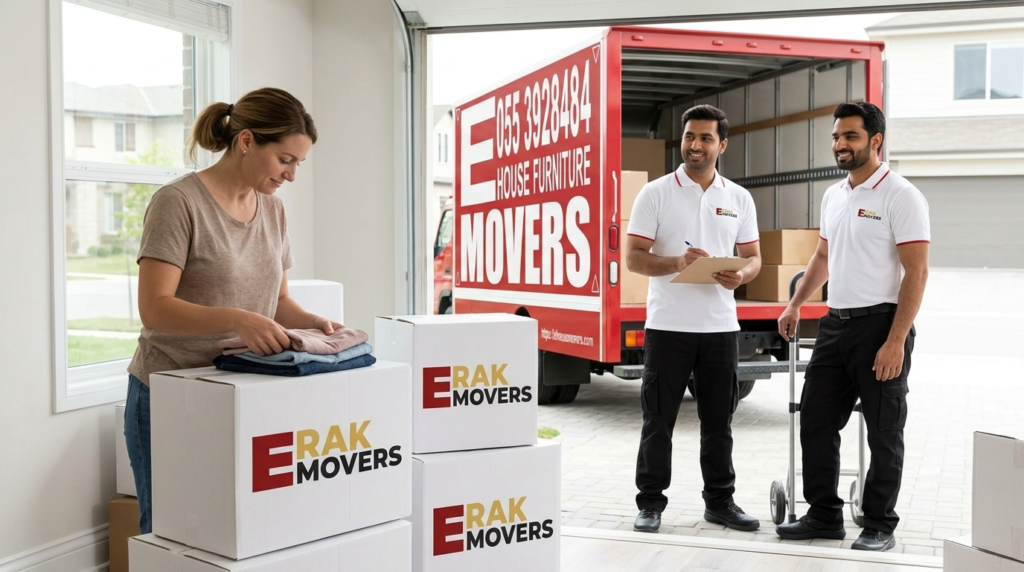
Your first-night box should let you wash, change, eat something simple and sleep without unpacking an entire room.
Pack enough for your household’s immediate needs:
| Category | Suggested contents |
|---|---|
| Sleeping | Bed sheets, pillowcases and light bedding |
| Bathroom | Towels, toothbrushes, toothpaste, soap and toilet paper |
| Clothing | Sleepwear and one change of clothes per person |
| Kitchen | Cups, basic cutlery, plates and easy snacks |
| Cleaning | A cloth, small rubbish bags and paper towels |
| Practical items | A torch and an accessible charger |
Keep medication, keys, identity documents and your main phone charger in your personal bag, even if you think of them as first-night essentials. You may need them before the truck reaches the new home.
A first-night box containing ordinary household supplies can travel with the movers if you agree on priority delivery. Label it clearly and ask for it to be placed somewhere accessible. If you need its contents before unloading starts, carry it yourself.
Choose a manageable carton or small suitcase. An oversized “essentials” box can become another container that takes too long to search.
What to Prepare for Children and Pets
Prepare a separate bag for each child, adjusted to their age and routine. Include spare clothes, familiar snacks, water, wipes and a favourite toy or comfort item. For babies, add feeding and changing supplies needed during the move.
Keep these bags with the family. A child’s comfort item is much more useful during a long handover than inside a sealed bedroom carton.
For pets, set aside:
- Their usual food and drinking water.
- Bowls and a lead or harness.
- A suitable carrier where needed.
- Waste bags or litter supplies.
- Familiar bedding or a small toy.
- Veterinary records and any prescribed medication.
Plan pet transport separately from the household goods. Keep children and animals away from the loading route, and assign an adult to supervise them while doors are open and furniture is moving.
Prepare their resting area early at the new property. Having familiar belongings ready can make the first few hours easier.
Why Movers Should Not Handle These Items
Some belongings are better kept in your care because you need immediate access, privacy or direct supervision.
A carton can be delivered correctly and still be inaccessible when you need a passport, house key or medication. Original certificates and sentimental belongings may also be difficult to replace, regardless of their financial value.
That does not mean every item packed by its owner is prohibited from travelling with movers. Accepted items, packing responsibilities and liability depend on the agreed service terms.
When arranging packing and unpacking services, explain which belongings you will carry personally and which boxes need priority placement. Before loading starts, walk through the property with the team and point out the bags that must stay behind.
Check drawers, cupboards, charging sockets and the key tray once more before leaving.
Keep Your Moving-Day Essentials Packed and Within Reach
Pack the belongings you cannot comfortably be without before the movers arrive. Keep documents, valuables, medication and keys with you, then prepare a practical first-night box and separate supplies for children and pets.
A clearly agreed plan with RAK E Movers helps everyone understand what travels in the truck, what stays with your family and what needs to be accessible first.