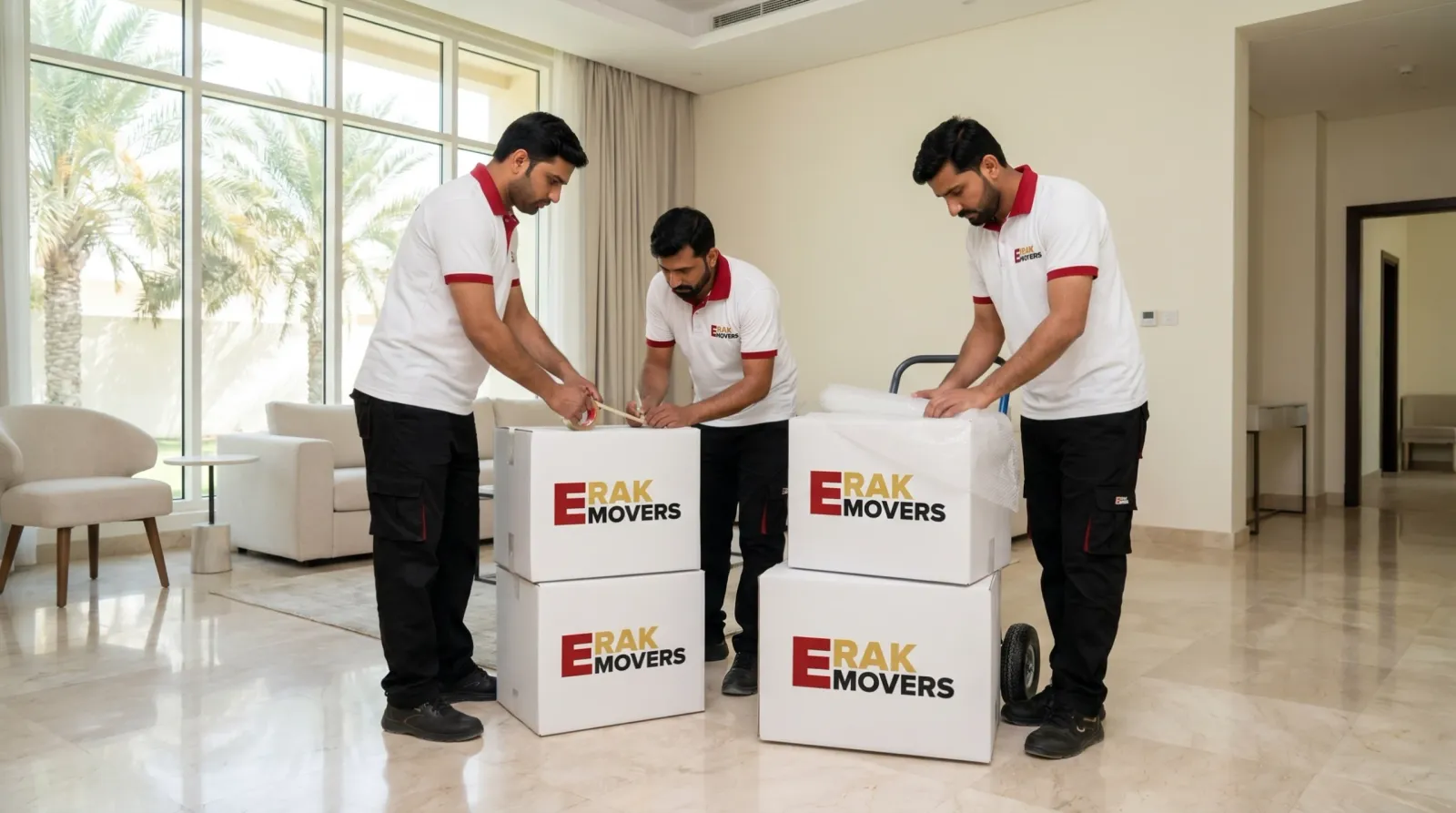
Storage Services in Ras Al Khaimah
A Unit You Cannot Navigate Is Not Storage. It Is an Expensive Room You Cannot Use
Secure, Climate-Controlled, and Inventory-Managed Storage Across Ras Al Khaimah Move Gap, Renovation, Expat Departure, Business Archive, and Specialist Storage for Art, Wine, and Valuables. Organised at Intake. Accessible Throughout. Delivered Complete.
Unplanned storage retrieval is common. RAK E Movers organizes units for actual access needs—frequent items front, heavy items base, fragile elevated, void fill. Every carton numbered, logged. Partial retrieval is planned operation, not rearrangement. Storage in Ras Al Khaimah organized at intake, delivered complete. Professional storage services, systematic inventory, accessible organization.
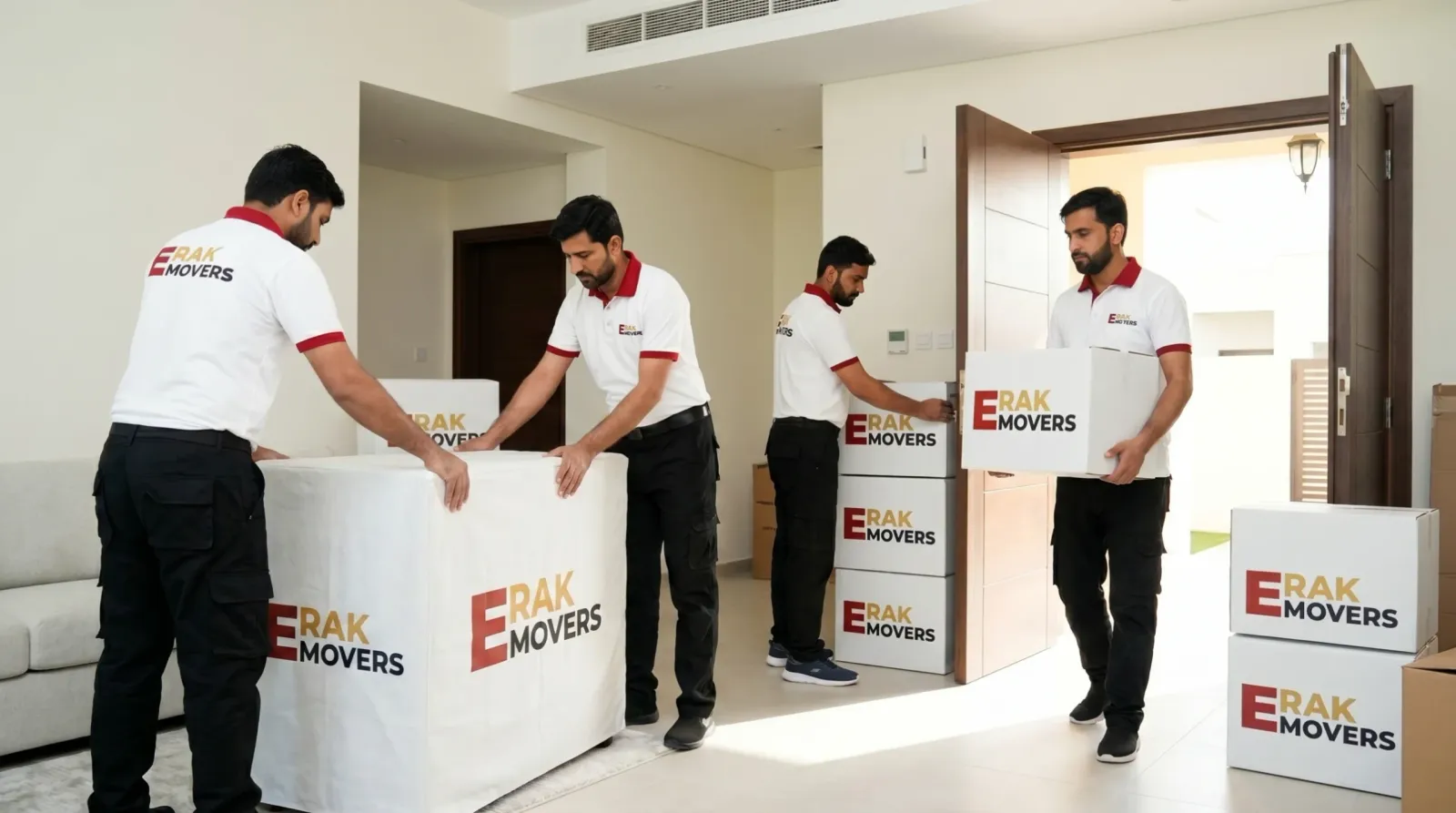
Storage Organization The Difference Between Stored and Accessible
Common storage frustration: items present but inaccessible, visible but unretrievable without disproportionate effort. Problem created entirely at intake—poor placement decisions. RAK E Movers organizes storage for planned retrieval. Professional storage services, systematic intake, accessible organization in Ras Al Khaimah.
The Stacking Problem
Items placed by size and convenience—tallest against back, heaviest at base—follow "what fit where" logic, not "what is needed when." Urgently needed items end up at back, below heavy cartons, behind large furniture. Professional packing and unpacking services ensure strategic placement. Organized storage planning across Ras Al Khaimah prevents retrieval failures.
The Unlabelled Carton Problem
A carton stored without content-specific labelling — or labelled on the top face only — cannot be identified from the aisle without touching it. In a storage unit where cartons are stacked, only the top-face label of the highest carton in each stack is visible from the access aisle. Everything below requires physical stack disassembly to identify. A storage unit full of identically sized, uniformly sealed cartons is a retrieval puzzle rather than an organised holding system.
The No-Inventory Problem
The standard storage experience begins with a key and a promise — the contents of a property are transferred into a unit, the door is locked, and the customer's mental inventory becomes the only reference for what is in the unit. When a specific item is needed four months later, the mental inventory has degraded significantly. The item is believed to be in a specific carton that may have been the right carton or may have been the carton immediately to the left of it. Both are sealed. Both require opening to verify.
The Frequency-Blind Organisation
Frequently needed items placed by convenience, not retrieval frequency. Access routes blocked by items placed first. Professional loading and unloading services plan placement by anticipated retrieval. Strategic storage organization across Ras Al Khaimah eliminates rearrangement.
Storage Rates in Ras Al Khaimah Published, Fixed, Transparent
Storage monthly rate determined by: Unit size (confirmed by actual inventory, not bedroom estimate); storage commitment period (short-term under 2 months, medium-term 2-6 months, long-term 6+ months); specialist requirements (climate-controlled base rate, premium for wine/art collections). Professional storage services in Ras Al Khaimah, transparent pricing structure, confirmed in advance.
Locker (25 sq ft)
Small (50 sq ft)
Medium-Small (75 sq ft)
Medium (100 sq ft)
Medium-Large (150 sq ft)
Large (200 sq ft)
Extra-Large (300 sq ft)
Premium (400 sq ft)
Specialist Art / Wine Bay
Seven Storage Commitments Written Before the Unit Is Sealed
Professional storage is measured not by how much fits in a unit, but by how quickly items can be retrieved when needed. The seven commitments below are applied consistently by every RAK E Movers storage intake — confirmed in writing before the unit door closes.
The Unit Is Organised for the Customer's Retrieval Pattern Not for Loading Efficiency
The intake organisation reflects the customer's confirmed retrieval needs frequently needed items at the front, delivery items at the back, renovation-specific items in the mid-unit position. The crew lead does not fill the unit in the sequence items happen to arrive at the facility door.
The Intake Inventory Is a Document Not a Shared Memory
Every item in every RAK E Movers storage unit is recorded in a numbered intake inventory signed by both parties before the unit door closes. The inventory is the reference document for partial retrieval tracking, delivery verification, and insurance claims. The customer leaves the facility with the signed inventory in hand.
Climate Control Is a Written Specification Not a Verbal Assurance
The storage contract names the maintained temperature range (18°C to 24°C), the humidity management standard (40% to 60% relative humidity), and the monitoring methodology. The customer's decision about whether the environmental specification is appropriate for their stored contents is based on a written document — not on a sales call description.
Partial Retrieval Is a Managed Service Not an Unassisted Rummage
Partial retrieval is arranged through the coordinator, identified by inventory reference, and executed with crew assistance where required. The intake organisation positions retrieval-priority items for accessible recovery. The unit is in better condition after a managed retrieval than after an unassisted search.
The Monthly Rate Is Fixed Extensions Are at the Same Rate
The monthly rate confirmed in the written storage contract is the rate applied to any extension of the storage period beyond the originally confirmed duration. Renovation overruns and property handover delays in Ras Al Khaimah are common and predictable. The storage rate that changes when the extension is confirmed is an additional cost the customer did not budget for.
Insurance Documentation Is Issued Before Intake Confirmed, Not Assumed
The written insurance policy is in the customer's hands before intake day. The coverage ceiling is known. The per-item limit is confirmed. For items above the standard ceiling, extended coverage is arranged and documented before the unit is sealed. There is no post-claim discovery that the coverage did not apply to the specific item or the specific event.
Delivery From Storage Is Verified Against the Intake Inventory
The final delivery is not signed off when the last item is unloaded. It is signed off when the delivery inventory every item checked at the destination is verified against the intake inventory. Every item that entered the unit is accounted for at delivery. Any discrepancy is identified before the coordinator departs.
Storage in Ras Al Khaimah Questions Answered Before the Consultation
Pricing, unit organisation, partial retrieval, climate control, inventory documentation, insurance, specialist storage for wine and art, and collection/delivery services — everything storage customers ask before booking, in plain language.
Don't see your question?
Reach a human coordinator on WhatsApp or call. Most storage-specific questions are answered within minutes.
How much does storage cost in Ras Al Khaimah?
How does RAK E Movers organise a storage unit?
Does RAK E Movers allow partial retrieval during the storage period?
Is storage at RAK E Movers climate-controlled?
Does RAK E Movers provide an inventory of stored items?
How long can items be stored with RAK E Movers in Ras Al Khaimah?
Are stored contents insured at RAK E Movers?
Can RAK E Movers store wine and art in Ras Al Khaimah?
Can RAK E Movers collect and deliver for storage without a separate moving booking?
What happens to the storage rate if my renovation or new property is delayed?
Storage That Can Be Retrieved Is Worth Its Monthly Rate. Storage That Cannot Is Just an Expensive Lock
The difference between a storage unit that serves the customer and one that simply holds their belongings is visible at the first retrieval — not in the facility brochure, not in the monthly rate, not in the padlock on the door. It is visible whether the item needed in week three of the renovation is at the front of the unit or behind everything placed in the most convenient loading sequence on intake day.